
Leaders warn foundational principles of Baptist polity and religious liberty are at stake if the Fifth Circuit ruling in McRaney v. North American Mission Board stands

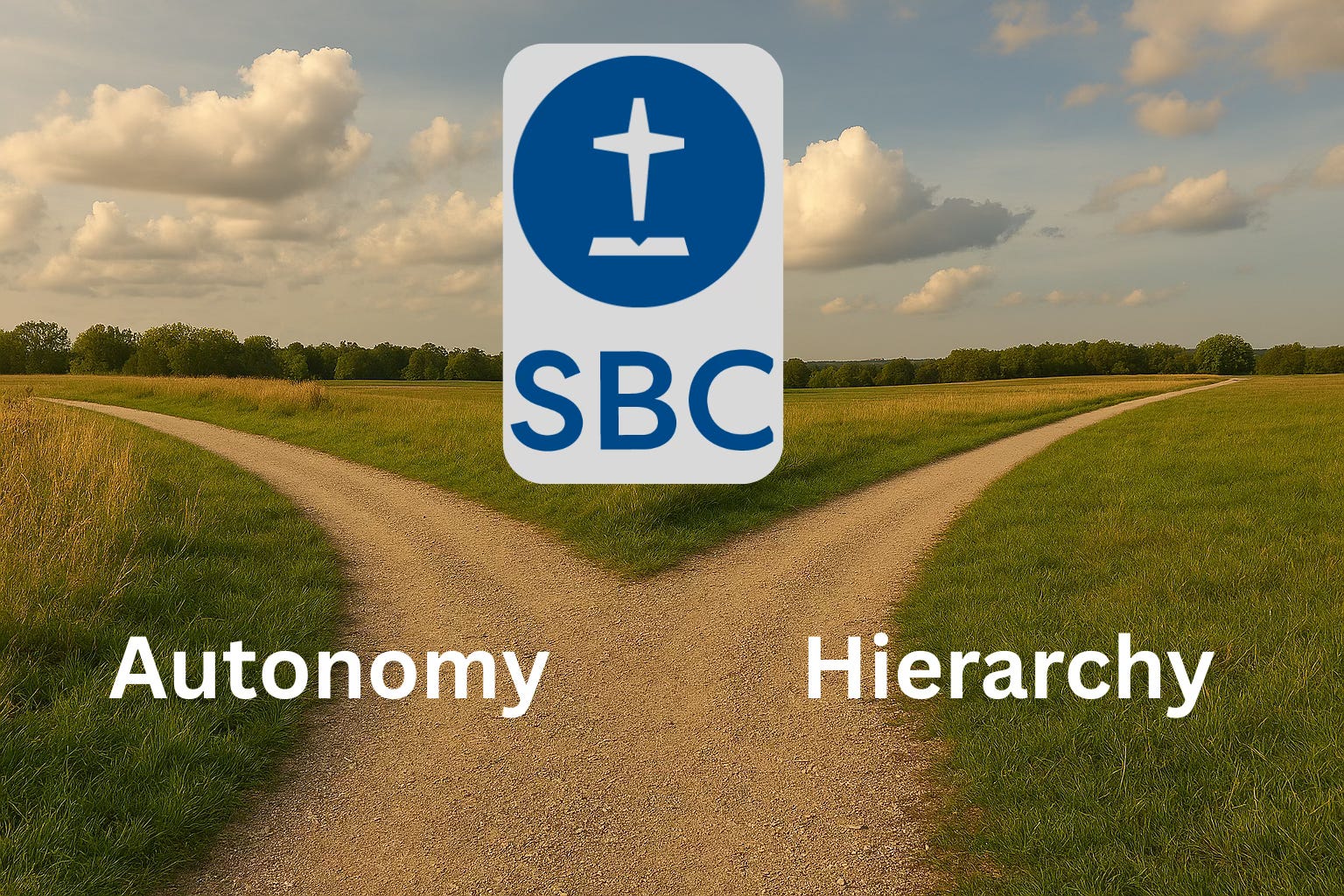
A growing chorus of Baptist leaders, attorneys, and pastors is urging the U.S. Supreme Court to intervene in McRaney v. North American Mission Board (NAMB), arguing that a recent Fifth Circuit ruling threatens not only one pastor’s legal claims but the foundational principles of Baptist polity and religious liberty.
In September, the Fifth Circuit held that NAMB could invoke the “ministerial exception” in a dispute involving former state convention executive director Will McRaney—even though NAMB never employed him, supervised him, or exercised ecclesiastical authority over him. Critics say the ruling stretches a narrow First Amendment protection far beyond its intended purpose.
Baptist commentator David Morrill warned that the decision transforms the ministerial exception into “a sweeping shield from ordinary law,” insulating religious organizations from accountability for basic torts such as defamation or intentional interference.
“Church autonomy and ministerial exception doctrines were meant to prevent courts from deciding questions of doctrine or church governance,” Morrill wrote, “not to immunize religious institutions from ordinary wrongs.”
Morrill and others argue that the ruling is especially dangerous for Baptists, whose polity is deliberately non‑hierarchical. With no bishops, denominational courts, or centralized authority, Baptists have historically relied on secular courts to resolve civil disputes. The Fifth Circuit’s logic, they warn, could leave Baptists “uniquely vulnerable and cut off from both ecclesiastical and civil remedies.”
Attorney Jon Whitehead echoed those concerns, stating that the SBC’s legal position effectively asks Baptists to accept that denominational leaders may “lie about local pastors and members, and decide to give no justice.” He argues that the Southern Baptist Convention (SBC) is attempting to impose “legal disabilities on members of cooperating bodies solely by a claimed implication,” a move he believes risks violating the Establishment Clause by granting the denomination powers it does not possess under its own polity.
According to McRaney, the consequences are already visible.
“To date, the SBC Executive Committee and North American Mission Board leadership and trustees have tolerated the damaging lies about people, damaging lies about Baptists to the courts, and coming damages to cooperation, missions giving, and ministers in local churches,” McRaney said. “The dangers…are just now being seen as the ‘tip of the iceberg.’”
McRaney also pointed to a recent flurry of online exchanges between NAMB attorney Matt Martens and Whitehead.
“Martens has made probably 40 or more tweets in the last few days,” McRaney added, arguing that Martens’ reasoning “demonstrates such faulty logic and poor application of the Bible…while not acknowledging the lies and deceptions he and the NAMB leader had in getting the SBC and partnerships to such a bad place.” McRaney noted that Martens’ comments “unexpectedly share some of the risk to Baptist churches and their leaders.”
Whitehead’s father, Mike Whitehead—an attorney and board member with Alliance Defending Freedom (ADF)—also weighed in, calling the legal implications “very important for SBC members and pastors.”
Meanwhile, 52 current and former Baptist leaders have filed an amicus brief urging the Supreme Court to take the case. They argue that NAMB’s claims misrepresent Baptist polity and, if accepted, would endanger churches, pastors, associations, state conventions, and even the SBC itself by granting denominational entities unprecedented legal immunity.
The leaders warn that the Fifth Circuit’s ruling effectively rewrites Baptist polity into a hierarchical system similar to Catholics—something Baptists have historically rejected on theological grounds. As the Supreme Court considers whether to hear the case, it insists the stakes extend far beyond one dispute.
“The question is simple,” Morrill wrote. “Will Baptists be protected by the First Amendment—or trapped by it?”
Related:
I’m starting to really lose confidence in the SBC, and that’s just sad.